Attempting Removal Without Professional Assessment
Many property owners in Tyler underestimate the complexity of tree removal, assuming they can handle the job themselves or hire the least expensive operator without proper evaluation. This mistake often begins with a simple miscalculation: failing to recognize that every tree presents unique structural challenges, from root spread to crown weight distribution.
A tree’s lean, internal decay, proximity to power lines, and the condition of surrounding soil all influence how it will behave during removal. In Tyler’s clay-heavy soil, roots often extend far beyond the visible drip line, creating hidden anchor points that affect fall direction. Summer storms can weaken limbs and trunks internally without obvious external signs, making visual assessment alone dangerously inadequate.
The financial consequences of skipping professional assessment are severe. Homeowners who attempt removal without understanding load dynamics frequently cause structural damage to homes, fences, and driveways. One miscalculated cut can send a multi-ton trunk section in an unintended direction, resulting in repair bills that exceed $10,000. Insurance companies routinely deny claims when damage results from unpermitted or improperly executed tree work.
Professional assessment includes evaluating tree health, identifying hazards, planning fall zones, and determining equipment needs. Certified arborists use specialized tools to detect internal rot, measure lean angles, and calculate the safest removal sequence. This upfront investment in proper planning prevents the exponentially higher costs of property damage, personal injury, and emergency repairs. For trees near structures or utility lines, professional assessment is not optional, it is the only responsible approach to protecting your property and your financial well-being.
Ignoring Local Permit and Utility Requirements
Skipping the permit process ranks among the most expensive shortcuts property owners take. Many assume that because a tree is on their property, they have unrestricted removal rights. This assumption can lead to municipal fines, stop-work orders, and costly restoration mandates that far exceed the original removal cost.
Tyler and surrounding Smith County areas maintain specific ordinances governing tree removal, particularly for heritage trees, trees in protected zones, and removals that affect drainage or erosion control. Violations can result in fines ranging from $500 to $2,000 per tree, plus mandatory replanting requirements that add thousands more in landscaping costs. The city may also place a lien on your property until compliance is achieved, complicating future sales or refinancing.
Equally critical is the failure to contact utility companies before tree work begins. Trees growing near power lines present extreme danger, and Texas law requires notification to utility providers at least 48 hours before any work that could affect overhead or underground lines. Cutting into a power line can cause electrocution, fire, neighborhood outages, and liability for repair costs that easily reach five figures. Underground gas and water lines pose similar risks, and striking these during stump grinding or root removal creates immediate safety hazards and expensive emergency repairs.
Legitimate tree removal services handle permit research and utility notifications as standard practice, protecting you from regulatory and safety pitfalls. They maintain relationships with local building departments and utility companies, ensuring compliance before any cutting begins. The modest cost of proper permitting and coordination is trivial compared to the fines, legal fees, and emergency repairs that result from bypassing these requirements. When you ignore permits and utility clearances, you are not saving money, you are guaranteeing future expenses that could have been avoided entirely.
Underestimating Equipment and Safety Needs
Renting a chainsaw and assuming you can handle tree removal yourself is a recipe for injury and property destruction. Tree removal demands specialized equipment far beyond basic cutting tools: rigging systems, climbing gear, safety harnesses, stump grinders, and often cranes or bucket trucks for large or hazardous trees. Each piece of equipment requires training and experience to operate safely and effectively.
Homeowners who rent equipment without proper training frequently cause accidents. Chainsaws kick back unexpectedly, ladders shift on uneven ground, and falling limbs strike operators who misjudge trajectory and speed. The Consumer Product Safety Commission reports that thousands of chainsaw injuries occur annually, many during amateur tree work. Medical bills from a single chainsaw accident can exceed $25,000, and severe injuries may require months of recovery and lost income.
Tyler’s weather patterns add complexity to equipment needs. High summer humidity makes certain tree species heavier and more unpredictable when cut, while occasional winter ice storms leave trees with internal fractures that are invisible until a saw enters the trunk. Professionals use moisture meters, load calculators, and rigging that distributes weight safely during limb removal, preventing sudden drops that can injure workers or damage property below.
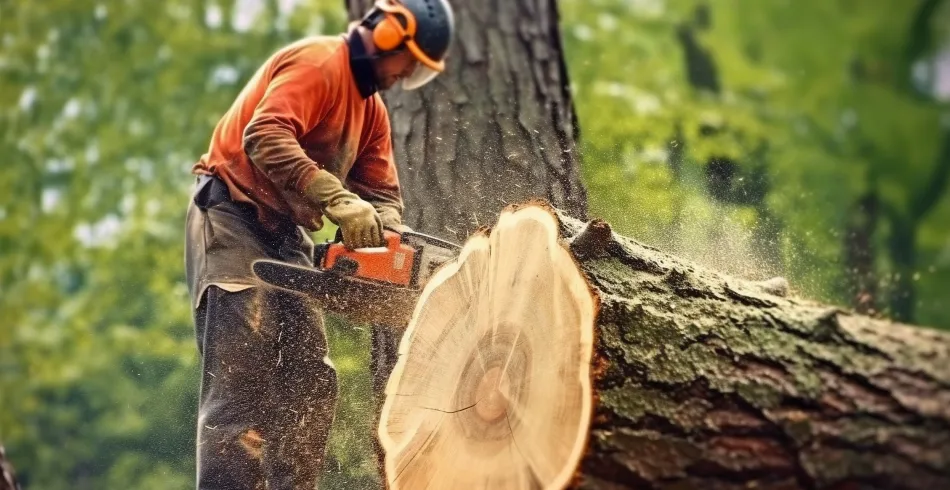
Equally important is understanding personal protective equipment requirements. Professional tree removal crews wear helmets with face shields, chainsaw chaps, steel-toed boots, gloves, and hearing protection. They carry liability insurance and workers’ compensation coverage, protecting property owners from financial responsibility if an accident occurs. When you attempt removal without proper equipment and safety gear, you assume all liability for injuries to yourself, family members, and bystanders. A single emergency room visit or lawsuit can cost tens of thousands of dollars, dwarfing any savings from avoiding professional services. The equipment and safety protocols used by trained tree removal specialists exist because the work is inherently dangerous, and shortcuts in this area carry life-altering financial and physical consequences.
Failing to Plan for Debris Removal and Cleanup
Many property owners focus exclusively on the cutting phase of tree removal and completely overlook the massive volume of debris that results. A mature oak or pine can generate several tons of wood, branches, and foliage, creating a disposal challenge that quickly becomes overwhelming and expensive if not planned properly.
Without a clear debris removal strategy, homeowners find themselves with unusable yards filled with wood piles that attract pests, create fire hazards, and violate local ordinances. Tyler’s municipal waste services do not accept large tree debris in curbside pickup, and most homeowners lack the equipment to transport multiple truckloads to disposal sites. Renting a wood chipper seems economical until you discover that operating one safely requires experience, and rental fees plus fuel costs add up quickly for multi-day jobs.
Hiring a separate hauling service after the fact typically costs 40% to 60% more than including debris removal in the original tree work. Debris removal companies charge by volume and weight, and without competitive bidding or package pricing, you pay premium rates. Additionally, ground damage from dragging heavy logs across your lawn often requires soil amendment and reseeding, adding hundreds more in lawn restoration costs.
Stump grinding presents another hidden expense that catches homeowners off guard. Leaving a stump in place invites termites, fungal growth, and new shoots that require repeated cutting. Stump grinders are dangerous machines that can cause severe injury when operated by untrained individuals, and rental costs often approach the price of professional grinding services. Professional tree removal companies include debris hauling, wood chipping, and stump grinding in their service packages, providing complete site cleanup that leaves your property ready for immediate use. They own specialized equipment, maintain disposal relationships, and complete cleanup efficiently, avoiding the weeks of lingering debris that DIY approaches create. The difference between a fully cleared property and a yard littered with unusable wood waste often determines whether you can enjoy your outdoor space again or face months of additional work and expense.
Choosing the Lowest Bid Without Verifying Credentials
Price shopping without verifying credentials and insurance coverage is perhaps the single most costly mistake property owners make. The tree removal industry attracts unlicensed operators who undercut legitimate businesses by skipping insurance, proper equipment, and safety training. When you hire the cheapest bidder without due diligence, you assume enormous financial and legal risk that far outweighs any initial savings.
Uninsured tree removal operators create direct liability for property owners. If an uninsured worker is injured on your property, Texas law may hold you financially responsible for medical expenses, lost wages, and long-term disability costs. A serious injury can result in lawsuits exceeding $100,000, and your homeowner’s insurance may deny coverage if you hired an unlicensed, uninsured contractor. Similarly, if an uninsured operator damages your home, neighbor’s property, or vehicle, you bear the full cost of repairs because the operator lacks liability coverage.
Low bids often indicate corner-cutting in critical areas: inadequate equipment, untrained crews, no permit compliance, and no cleanup services. Operators who quote significantly below market rates typically disappear after the cutting phase, leaving property owners with half-completed jobs, massive debris piles, and damaged landscapes. Completing the work properly after a failed cheap hire often costs double the original professional estimate.
Legitimate tree removal services carry general liability insurance, workers’ compensation coverage, and proper licensing. They provide written contracts, detailed scopes of work, and references from previous clients. They comply with local regulations, obtain necessary permits, and stand behind their work with warranties. The price difference between a reputable service and a cut-rate operator reflects these protections, and the value becomes clear the moment anything goes wrong.
Before hiring any tree removal service, request proof of insurance, verify licensing with local authorities, and check online reviews for patterns of complaints. Ask for a detailed written estimate that includes all phases: assessment, cutting, debris removal, stump grinding, and site cleanup. Confirm that the company will handle permit applications and utility notifications. A slightly higher bid from a properly credentialed, fully insured service protects you from catastrophic financial exposure and ensures professional results that enhance rather than damage your property.